
Updated on: 2026-08-27
Contemporary wallpapers help you shape mood, texture, and visual rhythm in modern interiors. The best designs balance style with practical needs such as light control, room scale, and maintenance. This guide explains common misconceptions, shows how to plan a cohesive look, and offers selection criteria that work across budgets. You will also find actionable tips for measuring, installing, and styling surfaces for long-term satisfaction.
Table of Contents
- Myths vs. Facts
- Personal Experience
- Choose the Right Style for Your Space
- Color, Light, and Scale: The Design Variables That Matter
- Pattern Placement and Layout Planning
- Installation and Maintenance Essentials
- Final Thoughts & Takeaways
Myths vs. Facts
Myth: Contemporary wallpapers are only for bold, high-contrast rooms.
Fact: Neutral-toned and low-contrast designs can add depth without overpowering furnishings.Myth: Prints and patterns are always difficult to style.
Fact: Pattern scale and placement allow you to create a controlled, cohesive look.Myth: Wallpaper requires frequent repainting or complex upkeep.
Fact: With suitable surface preparation and the right cleaning approach, many wallpaper styles remain attractive for years.Myth: Wallpaper is a risky investment.
Fact: Measuring correctly and selecting designs that harmonize with existing materials reduces the chance of mismatch.
Personal Experience
When I first started advising homeowners on wall upgrades, I noticed a recurring problem. People focused on the print they liked most, but they did not consider how the wall would interact with daylight, furniture height, and existing color temperature. The result was often a design that looked perfect in a photo and slightly off in the room. Later, I helped one client choose contemporary wallpapers using a simple method: we matched the wallpaper tones to the dominant colors in upholstery and flooring, then we tested scale by imagining the pattern repeating across the wall. The difference was immediate. The space felt more intentional, and the room looked balanced instead of busy.

Wall mood board with tones, light arrows, scaled patterns
Choose the Right Style for Your Space
Contemporary wallpapers work best when they align with how you want the room to feel. Start by identifying the emotional goal: calm and quiet, creative and energetic, or structured and refined. From there, narrow choices by design language.
1) Abstract and geometric forms
Abstract compositions and geometric motifs are excellent for modern interiors because they complement clean lines and minimalist furniture. They also create visual structure without requiring elaborate styling. If your room has many straight edges, geometric wallpaper can reinforce that visual order.
2) Botanical and organic patterns
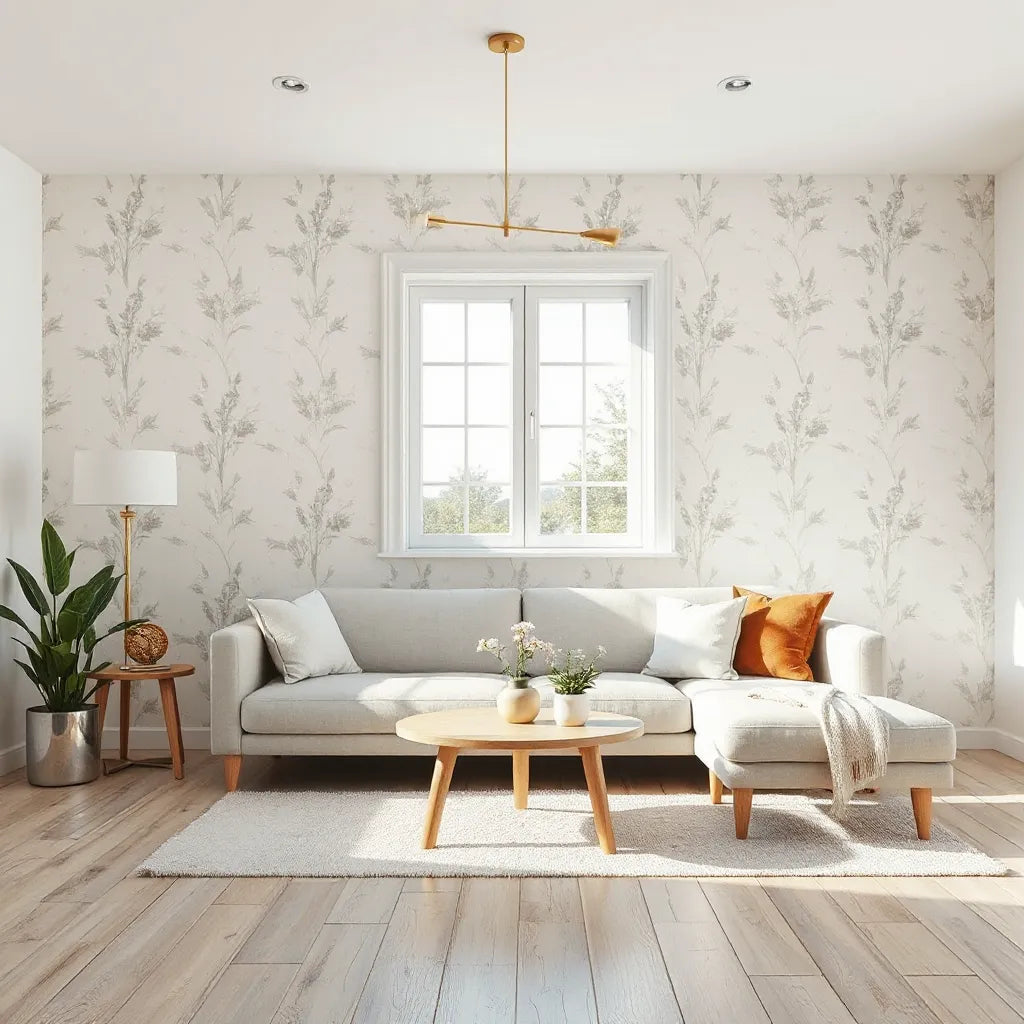
Organic prints introduce softness and movement. They pair well with natural textures such as wood, rattan, linen, and matte ceramics. When you want a contemporary look that still feels warm, botanical themes can be a strong option.
3) Texture-led wall finishes
Texture-inspired designs, including faux plaster or subtle weave effects, can be especially forgiving. They often look elegant from a distance and feel more detailed up close. If your walls are not perfectly uniform, texture-forward patterns can help disguise minor imperfections.
4) Bold accent walls
An accent wall can deliver impact without committing every surface. It is ideal for living rooms, headboards, dining areas, and office corners. A well-chosen accent can serve as the anchor for your entire color palette.
If you want a practical starting point for your online search, consider browsing curated collections such as Classico Clic 4 or Zoodle. These pages can help you compare style directions, print scales, and how designs present visually in a product-focused layout.
Color, Light, and Scale: The Design Variables That Matter
Color is not only about preference. It influences how large a room feels and how surfaces reflect light. Scale affects whether the pattern feels elegant or visually crowded. Together, these factors determine whether contemporary wallpapers read as refined or chaotic.
Match color temperature to your lighting
Homes often use mixed lighting: warm bulbs in the evening and cooler daylight during the day. Choose wallpaper tones that remain pleasant across both conditions. Warm neutrals and soft earth colors can feel inviting under warm lighting. Cooler grays and crisp whites can look cleaner under daylight. A simple rule is to avoid wallpaper tones that are dramatically different from your dominant lighting temperature.
Use scale to control visual volume
Large-scale patterns can make a statement, but they may overwhelm small rooms if the design repeats too frequently. Medium-scale prints often adapt better. For compact spaces, look for designs that let furniture and architectural features stay the focus.
Consider contrast and visibility
High-contrast wallpapers can create energy and strong definition. Low-contrast designs emphasize texture and subtle variation. If your room already has bold textiles or strong furniture silhouettes, you may prefer lower contrast to maintain visual calm.
Plan for focal points
Windows, doors, and built-ins influence how much of the pattern remains visible. If the wall has many openings, a busy pattern may feel fragmented. In those cases, use a design with cohesive repetition and place it so the most important portion aligns with the main viewing angle.

Color swatches paired with light gradients and scale overlays
Pattern Placement and Layout Planning
Wallpaper success is often determined before installation begins. Pattern placement planning helps you avoid misalignment, awkward interruptions, and visual breaks around architectural features.
Start with your primary viewing angle
Decide where people will see the room from most often. In a living room, this is frequently the sofa line. In a bedroom, it is typically the foot of the bed. Plan your design so the most recognizable section lands within that viewing zone.
Align motifs with architectural lines
Ceilings, picture rails, and window trims create natural alignment guides. When the pattern follows these lines, the result feels deliberate. When motifs are placed haphazardly, the room can appear visually unsettled.
Choose an approach for repeat management
Most wallpaper designs include a repeat specification. Even if you order professionally cut pieces, the repeat affects how many sections you need and how you should stagger seams. If you want a smooth, high-end finish, pay attention to repeat matching during planning.
Balance busy patterns with calmer furnishings
If the wallpaper pattern is prominent, keep the surrounding palette quieter. Use solid fabrics, understated window treatments, and fewer competing textures. This approach prevents the room from feeling overstimulated.
For those exploring different visual styles, you can also review options like Whole White Forest to understand how nature-inspired motifs can work as contemporary wallpapers while still maintaining a clean, modern mood.
Installation and Maintenance Essentials
Installation quality strongly influences appearance. The best contemporary wallpaper can look unfinished if the surface preparation or seam finishing is not correct. Use these essentials to protect your investment and support a durable finish.
Prepare the wall for consistent adhesion
Wallpaper will perform best on smooth, stable surfaces. Remove dust, debris, and loose paint. Repair cracks and uneven areas. If the wall has been previously painted, confirm it is fully cured and not glossy. Consistency matters because uneven surfaces can cause bubbles or misaligned seams.
Measure with a repeat-aware plan
Measure wall height and width, then account for pattern matching. If the design has a noticeable repeat, factor it into the quantity calculation. Over-ordering slightly is generally safer than under-ordering, particularly when replacement batches might vary over time.
Use the correct tools and technique
Common tools include a smoothing tool, measuring tape, level, utility blade, and seam roller where applicable. Work slowly and avoid rushing corners. Proper trimming around switches, outlets, and trims creates a clean edge that looks professional.
Plan for humidity and long-term care
Bathrooms and utility areas may require extra consideration because humidity can affect adhesion over time. For general living spaces, routine care typically includes gentle dusting and spot cleaning using methods compatible with the wallpaper surface. Always test cleaning on a small area first, and avoid abrasive materials that can compromise finishes.
Protect high-impact areas
Walls near doors, hallways, and dining zones often experience more contact. Using appropriate placement for high-traffic zones and pairing with protective finishes can help the wallpaper maintain its visual integrity.
After installation, allow sufficient time for the wall to settle before evaluating the final look in different lighting. That practice reduces the chance of making unnecessary adjustments too early.
Final Thoughts & Takeaways
Choosing contemporary wallpapers is not only about selecting an attractive print. It requires a design plan that connects color, light, and scale to how you use the room. Start with the style direction that matches your mood, then align the palette with your existing furnishings. Use pattern placement to make the most important portion of the design land in the main viewing zone. Finally, focus on wall preparation, repeat-aware measuring, and gentle long-term care. With these steps, wallpaper becomes a durable, high-impact upgrade rather than a short-term experiment.
Q&A Section
How do I choose a wallpaper pattern that still looks modern?
Select patterns that follow a clear visual structure. Geometric designs, refined abstracts, and subtle texture effects typically feel more contemporary than overly ornate motifs. Also match the wallpaper complexity to your room’s existing elements. If your furniture is minimal, a more defined print can work well. If your room already has many patterns, choose a calmer wallpaper with lower contrast.
What is the safest way to use wallpaper in a small room?
Use scale and contrast thoughtfully. Medium-scale patterns and softer color ranges usually provide the best balance in smaller spaces. Consider applying wallpaper to a single wall to prevent visual clutter. Also ensure the design aligns with windows and main sightlines so the pattern does not feel fragmented when viewed from the doorway.
Can contemporary wallpapers work with neutral interiors?
Yes. Neutral rooms often benefit from wallpaper because it adds depth without requiring major color changes. A neutral wallpaper with texture, botanical accents in muted tones, or abstract forms in gentle contrasts can create warmth and dimension. Keep other elements consistent by choosing fabrics and finishes that share similar undertones.
How should I maintain wallpaper so it stays presentable?
Use gentle cleaning methods. Start with dusting using a soft, dry cloth. For spots, use a damp cloth with mild pressure and avoid abrasive brushes. Do not use harsh solvents unless the wallpaper care instructions explicitly allow it. If a wall area is exposed to heavy moisture, treat it differently or consult a specialist to ensure long-term performance.
About the Author
Monli is an interior design and home styling specialist focused on modern wall aesthetics, material selection, and layout planning. The approach emphasizes practical decision-making and cohesive color coordination for lasting results. The team supports customers with clear guidance on how contemporary wallpaper choices integrate into real living spaces. Thank you for reading, and may your next wall update feel confident and well planned.
Disclaimer: This article is for general informational purposes only. Actual wallpaper performance and maintenance needs vary by material, surface condition, and installation method. Always follow the product-specific care and installation guidance provided by the manufacturer or installer.
The content in this blog post is intended for general information purposes only. It should not be considered as professional, medical, or legal advice. For specific guidance related to your situation, please consult a qualified professional. The store does not assume responsibility for any decisions made based on this information.


Share:
Artistic Home Decor Tips to Elevate Every Room
Durable Laminate Wraps: How to Choose for Lasting Use