Wallpaper Adhesive Residue Singapore
Adhesive residue left on the wall after removing old wallpaper affects how well new wallpaper adheres, making this an unglamorous but genuinely important step before any re-papering project. This guide covers what residue does and how it's properly addressed.
Quick Takeaways
- Old adhesive residue prevents new wallpaper from bonding properly to the wall
- Residue can telegraph through new wallpaper as texture or discolouration
- Different adhesive types need different removal approaches
- Skipping residue removal to save time often causes visible problems later
Removing old wallpaper? Visit the Monli showroom at Tampines for advice or WhatsApp +65 8112 4866.


Why Residue Matters More Than It Seems
A wall that looks clean after old wallpaper removal can still carry a thin layer of adhesive residue invisible to casual inspection but genuinely capable of preventing new wallpaper from bonding as intended. Poor bonding at installation is a common root cause of later lifting or bubbling.
Visible Telegraphing Through New Wallpaper
Residual adhesive patches can create subtle texture or discolouration variation that becomes visible once new wallpaper is applied over it, particularly under angled lighting. This is one of the less obvious reasons a re-papering project can look slightly uneven despite careful new installation.

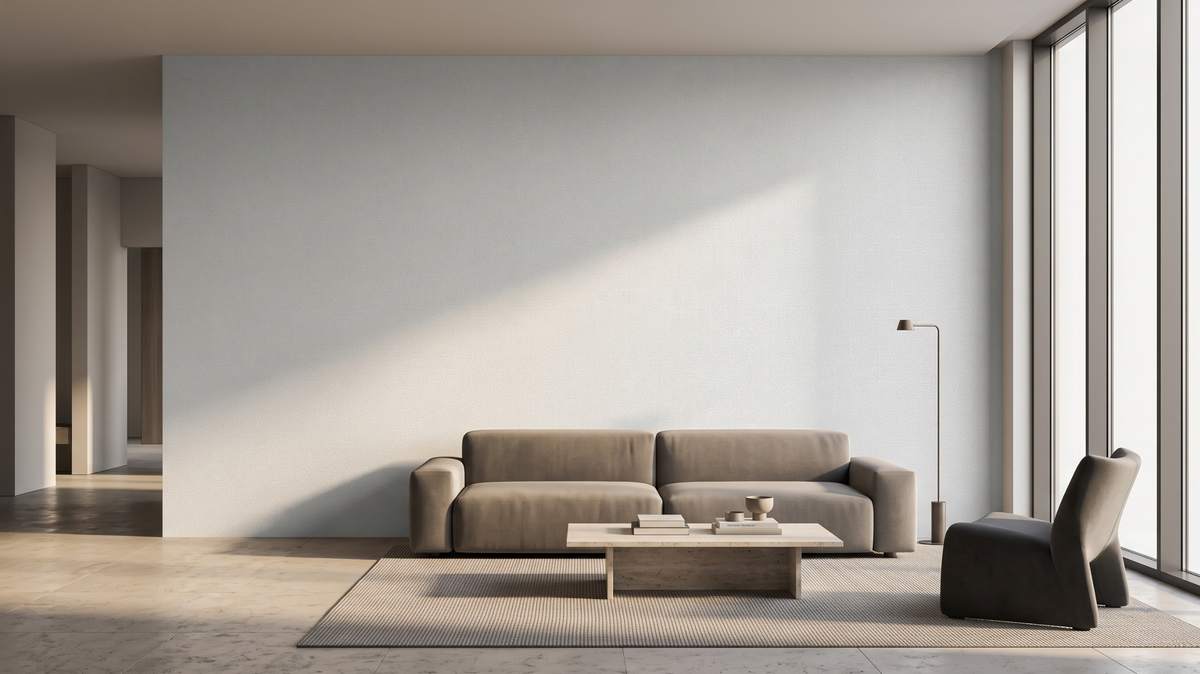
Old adhesive left beneath new wallpaper can become visible as subtle surface variation, particularly under angled light


Why This Step Gets Skipped
Residue removal adds time and labour to a re-papering project, making it a step that's sometimes rushed or skipped entirely to reduce cost or timeline. This shortcut tends to show up as problems weeks or months after the new wallpaper is installed, by which point the root cause is harder to diagnose.
FAQs
Does old adhesive residue really affect new wallpaper?
Yes, it can prevent proper bonding, which is a common root cause of later lifting or bubbling in re-papering projects.
How can I tell if residue is still on the wall?
Feel for tacky or uneven texture with your hand, since residue often feels different than it looks, particularly once dried.
Can residue be seen through new wallpaper?
It can create subtle texture or discolouration variation visible under angled lighting, even when the new installation itself is done carefully.
What's the proper process for removing residue?
Typically washing the wall with an appropriate solution and allowing full drying time before new wallpaper installation.
Why do installers sometimes skip this step?
It adds time and labour to a project, making it a step sometimes rushed to reduce cost, though this often causes problems later.
Should I ask my installer about their residue removal process?
Yes, confirming their specific process before re-papering over a previously wallpapered wall is a reasonable and worthwhile question.
Related Reading
Visit the Monli showroom at Tampines for re-papering advice.
WhatsApp +65 8112 4866 for a quote.
Explore Wallpaper Singapore


Share:
Torn Wallpaper Repair Singapore
Water-Damaged Wallpaper Singapore